We’ve all been there — the fridge stops cooling, the washing machine refuses to spin, or the dishwasher leaves dirty water at the bottom. It’s frustrating when appliances let us down, and your first thought might be that an expensive replacement is needed. But before you give up on them, there are often simple fixes that can get things working again.
At KDH Electrical, we believe in offering practical advice to help our customers — even when that means fixing an appliance rather than rushing to buy a new one. And when repairs aren’t enough? Well, that’s when you know we’re here with expert guidance and top-quality replacements. Let’s take a look at six of the most common appliance problems and how to tackle them.
1. Refrigerator Not Cooling Properly
If your fridge isn’t keeping food cool, don’t panic — sometimes the solution is simple. Here are the first things to check:
Check the temperature settings — It’s always worth making sure the thermostat hasn’t accidentally been adjusted. Aim for around 4°C (39°F) for the fridge and -18°C (0°F) for the freezer.
Clean the condenser coils — Over time, dust and debris can clog these coils, reducing cooling efficiency. Unplug the fridge and give them a good clean with a soft brush or vacuum attachment.
Inspect the door seals — A damaged or loose seal can let cold air escape. Check for gaps or cracks and replace the seal if necessary to ensure an airtight fit.
If these quick fixes don’t restore the chill, it might be time to browse our range of freestanding fridges and freezers for an upgrade.
2. Washing Machine Not Spinning or Draining
Few things are as annoying as a washing machine full of water that won’t spin. Here’s what to try before calling for repairs:
Check the drain hose — Make sure it’s not kinked, crushed, or clogged. A blocked hose can prevent draining and spinning.
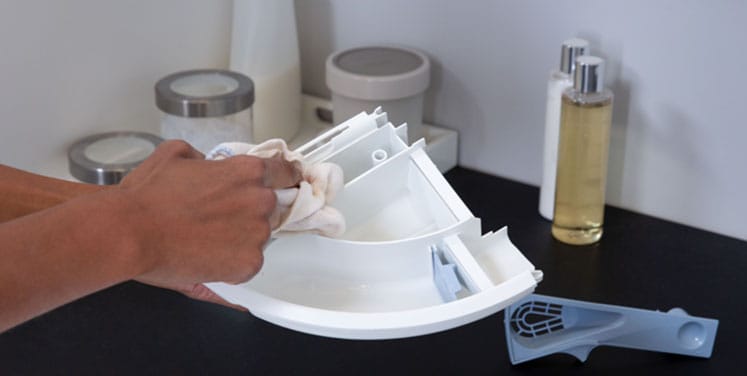
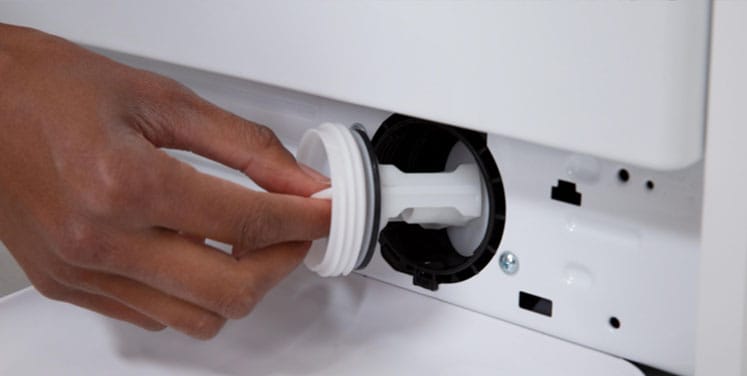
Clean the pump filter — Most washing machines have a filter to catch debris. Locate yours (usually behind a small panel) and clear out any trapped lint, coins, or dirt.
Balance the load — An unbalanced load can stop the spin cycle. Redistribute heavy items evenly and try again.
If problems persist, it may be worth looking at a reliable new washing machine from our expert-selected range.
3. Dishwasher Not Draining
If your dishwasher is full of water at the end of a cycle, try these steps before worrying about costly repairs:
Clean the drain filter — This catches food debris and grease. Pull it out and give it a thorough wash.
Inspect the drain hose — Look for any bends or blockages that might be stopping the water from draining away.
Check the pump — If neither of the above solves it, the drain pump could be faulty. You may need a professional to diagnose and replace this part.
And if fixing the pump isn’t worth it? Browse our stylish and efficient integrated dishwashers to find your next hassle-free appliance.
4. Oven Not Heating
When your oven refuses to heat up, it can bring dinner plans to a grinding halt. But before you assume it’s broken, here are some things you can check:
Check the heating elements — If you have an electric oven, the heating elements may have burned out. Look for visible signs of damage like blistering or breaks. If they don’t glow red when switched on, they may need replacing.
Inspect the thermostat — The thermostat controls the oven temperature. If it’s faulty, the oven may not heat correctly or at all. You might notice uneven cooking as a tell-tale sign.
Examine the igniter (for gas ovens) — If you have a gas oven and it’s not heating, the igniter may have failed. Listen for clicking when trying to light — no sound often points to a faulty igniter that needs replacing.
If you’ve run through these checks and it’s still not working, it may be more cost-effective to explore a brand-new built-in oven that comes with a warranty and the latest energy-efficient features.
5. Dryer Not Drying Clothes Properly
Clothes still damp after a full drying cycle? You’re not alone — this is one of the most common dryer complaints. Here are a few quick checks that could solve the problem:
Clean the lint filter — A blocked filter restricts airflow, reducing drying performance. Make sure to clean it after every load to maintain efficiency and avoid fire risks.
Check the vent hose — If the hose is crushed, kinked, or clogged with lint, hot air can’t escape, making drying ineffective. Clear any obstructions and ensure the hose is properly fitted.
Examine the heating element — A faulty heating element won’t produce enough (or any) heat. If you suspect this, professional help may be needed to replace it.
Still struggling to get your clothes dry? It might be time to look at a modern, energy-saving heat pump dryer — an ideal upgrade if your old unit has seen better days.
6. Microwave Not Heating
If your microwave turns on but doesn’t heat, it may be tempting to give up on it straight away — but there are a couple of things worth checking first:
Check the door seal — If the door isn’t closing properly, the microwave won’t operate for safety reasons. Inspect the seal for damage or warping, and ensure the door latches correctly.
Test the capacitor (professional only!) — The capacitor is responsible for storing and releasing energy to heat your food. If it’s faulty, the microwave won’t heat. However, capacitors can hold dangerous voltage, even when unplugged, so this is a job for a qualified repair technician.
Given that microwaves are relatively affordable to replace, and safety is a major concern, many people choose to invest in a new microwave rather than attempt complex repairs — especially if the unit is old.
Repair or Replace? Knowing When It’s Time
While some appliance problems can be solved with a simple clean or minor fix, other times it’s not worth pouring money into constant repairs — especially if the appliance is already showing signs of age. So how do you know when to repair and when to replace?
When to Repair:
The appliance is relatively new and still under warranty.
The issue is minor — like a clogged filter, kinked hose, or faulty seal.
Replacement parts are affordable and easy to fit.
You’ve never had issues before, and this is a one-off problem.
When to Replace:
The appliance is more than 7-10 years old and showing wear.
Repairs are costly and could add up to more than half the price of a new appliance.
It’s repeatedly breaking down — becoming unreliable and frustrating.
New models offer significant energy savings, features, or better performance.
At KDH Electrical, we’re always happy to offer advice on whether you should repair or replace — but when replacement makes sense, we make it easy to find the right product at the right price.
Why Shop with KDH Electrical?
When you’ve had enough of unreliable appliances and want something that’s built to last, we’re here to help. We offer a wide range of fridges, washing machines, dishwashers, ovens, dryers, and microwaves — all from trusted brands with expert advice to match.
What You’ll Get with KDH Electrical:
Competitive prices across top brands.
Expert help in choosing the right appliance for your space and needs.
Local delivery and optional installation services to take the hassle out of upgrading.
Friendly, knowledgeable team ready to answer your questions.
Ready to Upgrade?
Don’t let faulty appliances get in the way of daily life. Whether you’re after a replacement fridge, washing machine, or something else, visit our website to explore our full range or get in touch for personalised advice. At KDH Electrical, we’re always here to help you keep your home running smoothly — whether that means giving you tips to fix what you’ve got or helping you find the perfect new appliance.
Author: James Mathers
Bio: James is an accomplished Website Manager with a strong background in UX/UI design, specialising in leading cross-functional teams and delivering top-tier web solutions. His expertise in managing both business and consumer-focused web applications has refined his ability to create seamless, user-centric experiences while overseeing complex projects from inception to launch. Renowned for his innovative approach and problem-solving abilities, James is driven by a passion for enhancing both user engagement and operational efficiency.