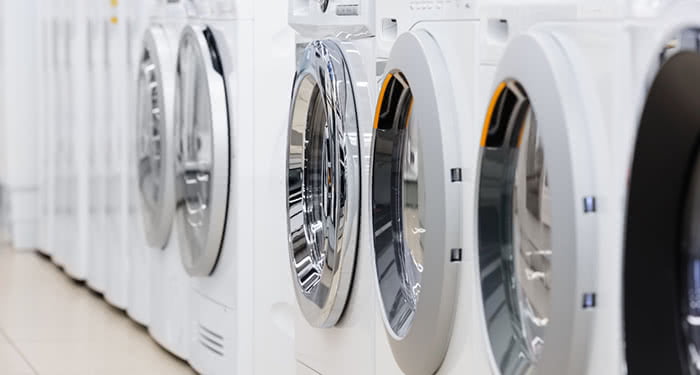
The washing machine market has evolved significantly in 2025, with brands introducing more advanced features, greater energy efficiency, and improved performance. Whether you’re looking for an affordable, reliable washer or a premium smart model packed with the latest technology, choosing the right washing machine can have a huge impact on your laundry routine.
With rising energy costs and environmental concerns, modern washing machines now prioritise efficiency without sacrificing cleaning power. Features such as AI-driven wash cycles, automatic detergent dosing, and remote control via smartphone apps have made laundry more convenient than ever. At the same time, traditional considerations like drum capacity, spin speed, and noise levels remain just as important.
This guide highlights the best washing machines of 2025 across various categories, including budget-friendly options, energy-efficient models, and high-tech smart washers. We’ll also explore key factors to consider when buying a new machine, ensuring you make the best investment for your home. Additionally, a FAQ section at the end will address common questions about washing machine efficiency, durability, and smart features.
One of the most crucial factors to consider is the drum capacity. This determines how much laundry you can wash in a single cycle. If you choose a drum size that’s too small, you may end up doing multiple loads, which wastes time and energy. On the other hand, a drum that’s too large for your needs could mean you’re using more water and electricity than necessary.
Some newer models include load-sensing technology that adjusts water and energy use based on the weight of your laundry, helping to save resources.
Spin speed is measured in revolutions per minute (RPM) and determines how much water is removed from clothes at the end of the cycle. The higher the spin speed, the drier your laundry will be, reducing the need for tumble drying.
Most modern washing machines allow you to adjust the spin speed, letting you select a gentler cycle for delicate fabrics while using maximum spin for heavier loads.
With rising energy costs, selecting an energy-efficient washing machine is more important than ever. The UK and EU have adopted a new energy efficiency rating system, classifying appliances from A (most efficient) to G (least efficient). This replaces the older A+++ rating system and provides a clearer picture of a machine’s energy consumption.
Many top-tier washing machines in 2025 incorporate features that improve energy efficiency, such as:
Investing in an A-rated machine may have a higher upfront cost but can save hundreds of pounds over its lifespan through reduced electricity consumption.
Technology has transformed washing machines, making them more convenient and efficient. Smart washers can now integrate with home automation systems, allowing users to control their machines remotely via smartphone apps. These features enhance ease of use, optimise detergent consumption, and improve energy efficiency.
For tech-savvy users, smart features offer a seamless way to manage laundry schedules, troubleshoot issues, and even receive alerts when a cycle is complete.
If your washing machine is located near your living space, noise levels are a key consideration. Thanks to modern motor technology, washing machines are becoming quieter than ever.
Many premium washing machines now feature inverter motors, which replace traditional belt-driven systems with a brushless, direct-drive design. This reduces friction, extends lifespan, and lowers operating noise.
Miele washing machines are renowned for their durability and efficiency. The WEJ885WCS is no exception, boasting an industry-leading A energy rating. Thanks to Miele’s TwinDos system, the machine automatically dispenses the correct amount of detergent, preventing overdosing and reducing waste. Additionally, the 1600rpm spin speed ensures that clothes come out drier, cutting tumble-drying time and energy use.
The Bosch WGG254F0GB brings smart washing to another level. With WiFi connectivity, users can control and monitor their washes remotely using the Home Connect app. The i-DOS automatic dosing feature ensures that only the precise amount of detergent and softener is used for each load, reducing waste and optimising cleaning performance. This model also features a 10kg drum, making it an excellent option for large families who need to wash big loads efficiently.
Investing in a washing machine is a long-term decision, and finding the right balance between price and features is crucial. While budget models offer great performance for the price, premium machines often provide better durability and long-term savings through energy efficiency.
Premium brands like Miele and Bosch offer extended warranties, often covering key components such as the motor and drum. When purchasing a washing machine, check for:
Picking the right drum size ensures efficiency and prevents unnecessary energy use. Consider the following:
The best choice is an A-rated washing machine, as these models use the least energy and water, helping to lower electricity bills over time. If an A-rated model is out of your budget, aim for at least a B or C rating to balance efficiency with affordability. Many top brands, including Miele, Bosch, and Samsung, offer highly efficient models with eco-friendly wash cycles.
Higher spin speeds (e.g., 1600rpm) extract more water from clothes, reducing drying time. However, for most households, 1400rpm is sufficient as it balances drying efficiency with fabric care. If you frequently wash thick fabrics like towels and jeans, a 1600rpm machine may be beneficial.
Smart washing machines are ideal for busy households and those who want more control over their laundry. They offer features such as:
If convenience and efficiency are important to you, investing in a smart washing machine could be a worthwhile decision.
Inverter motors use brushless technology, which reduces friction and wear, making them quieter and more energy-efficient than traditional motors. Washing machines with inverter motors generally last longer, operate more quietly, and require less maintenance.
On average, a washing machine should last between 10 to 15 years, depending on the brand and how well it’s maintained. Premium models from brands like Miele and Bosch are built for longevity, with some lasting over 20 years. Regular maintenance, such as cleaning the drum, checking for blockages, and descaling, can extend the lifespan of your machine.
In the UK, front-loading washing machines are far more common due to their energy efficiency and water-saving features. They also tend to offer better cleaning performance and larger drum capacities. Top-loading machines are rare in the UK but are preferred in some regions for their shorter wash cycles and ease of loading.
Choosing the right washing machine in 2025 depends on your budget, energy efficiency needs, and desired features. With advancements in smart technology, improved energy ratings, and better performance, modern washing machines offer more value than ever.
Here’s a quick recap of our top picks:
When purchasing a washing machine, consider factors such as drum size, spin speed, energy efficiency, and smart features to ensure you make the right investment. A highly efficient washing machine not only saves money on energy bills but also offers convenience and reliability.
If you’re ready to upgrade your washing machine, explore the full range of options at KDH Electrical and find the perfect model for your home.


