In today’s fast-paced world, where energy costs are soaring and environmental concerns are becoming more urgent, it’s vital to make energy-efficient choices in all areas of life—especially in the kitchen. Kitchen appliances account for a significant portion of household energy consumption, with the average home spending nearly 30% of its energy bill on them. So, what can you do to minimise costs while also reducing your carbon footprint?
This comprehensive guide will take you through everything you need to know about selecting the best energy-efficient kitchen appliances. From understanding the new energy rating system to identifying key features that will save you money in the long run, you’ll learn how to make informed choices that benefit both your wallet and the planet.
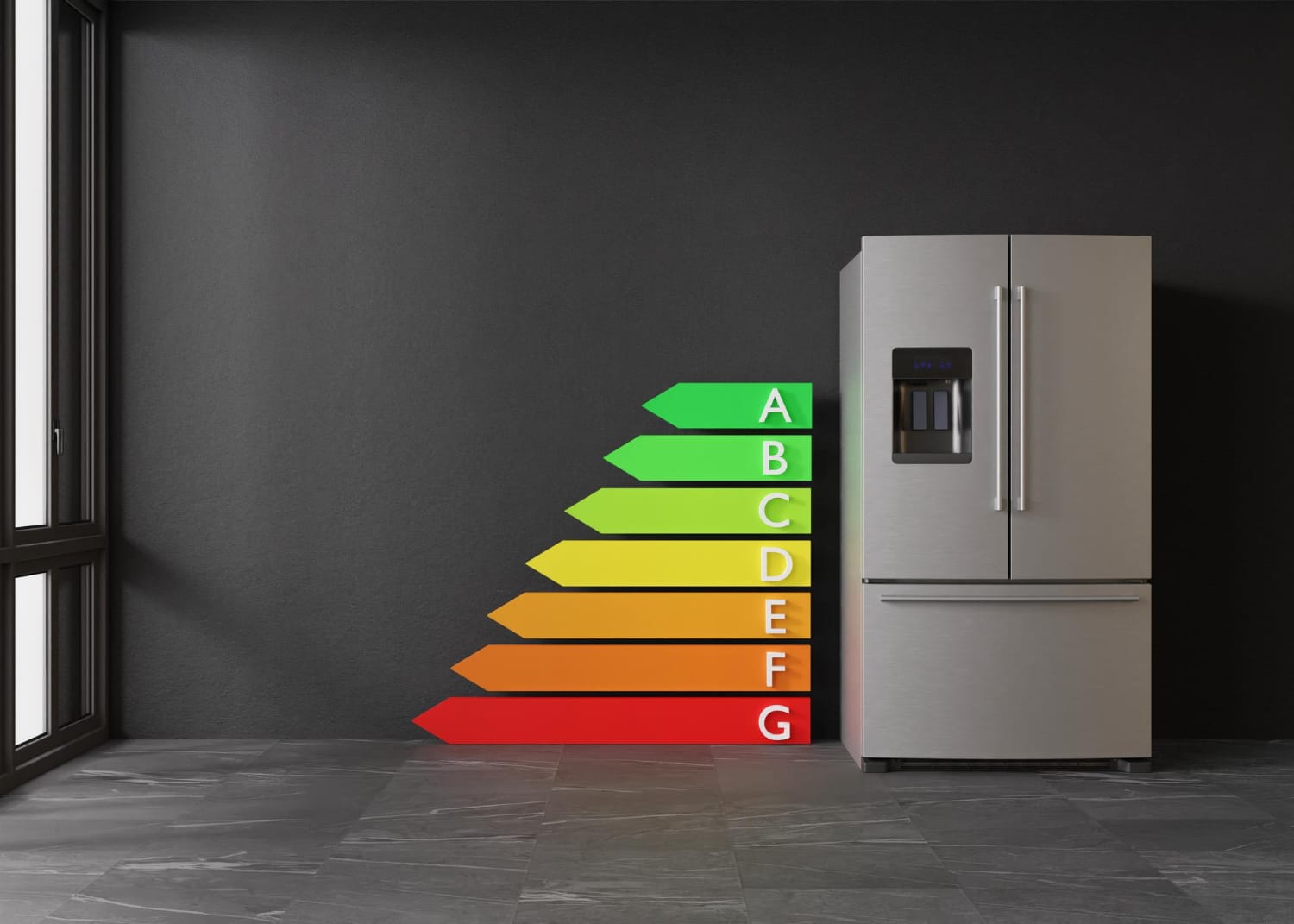
Choosing energy-efficient appliances starts with understanding energy ratings. The energy rating system has changed in recent years, moving from the old A+++ to D scale to a simpler A to G scale. This update allows room for even more efficient appliances to emerge as technology advances.
Energy ratings tell you how much power an appliance consumes, with A being the most efficient and G the least. Appliances rated A or B are typically the best performers in terms of energy consumption, though they may come with a higher price tag.
For example, an A-rated fridge could consume up to 60% less energy than a D-rated fridge, and over time, this difference can lead to significant savings. In real-world terms, it could mean paying far less on your energy bills annually.
The long-term benefits of selecting high-efficiency appliances can’t be overstated. Not only do they reduce energy bills, but they also lower your carbon footprint, making them an eco-conscious choice. For instance, investing in an A-rated refrigerator could save you over £200 over its lifetime compared to a D-rated one, assuming average energy costs. This translates to real money staying in your pocket while also reducing greenhouse gas emissions.
Refrigerators are essential in every home, but they also consume a lot of energy due to their continuous operation. When looking for an energy-efficient model, focus on features such as inverter compressors, which adjust cooling performance based on internal temperature. This not only saves energy but also prolongs the lifespan of the appliance. Brands like Bosch, LG, and Samsung are known for offering top-rated, energy-efficient models that deliver excellent performance with reduced consumption.
Dishwashers have made significant strides in energy efficiency in recent years. Look for models that offer eco-friendly wash cycles, half-load settings, and intelligent water-saving features. A modern, energy-efficient dishwasher uses less water and energy while still delivering sparkling clean dishes. Brands such as Bosch, Miele, and Siemens consistently rank highly for energy-efficient dishwashers.
Ovens and microwaves are other essential appliances where energy savings can be made. Convection ovens, for example, use fans to circulate hot air, reducing cooking time and energy consumption. Additionally, modern microwaves with smart sensors adjust cooking times based on the moisture levels in food, preventing energy waste.
When it comes to cooking, induction hobs are the most energy-efficient option available. They work by directly heating pots and pans rather than the hob itself, reducing wasted heat. They are faster and more efficient than traditional gas or electric stovetops, making them an excellent choice for the environmentally conscious household.
Inverter technology is a game-changer in appliances like refrigerators, air conditioners, and washing machines. Unlike traditional motors, which run at a fixed speed, inverter motors can adjust their speed to match the actual demand. This adaptability means they use less power during times of low demand, which saves energy and extends the appliance’s life.
Many modern appliances now come equipped with smart technology, allowing you to monitor and control them remotely. You can, for example, schedule a dishwasher cycle to run during off-peak electricity hours, or monitor the energy usage of your refrigerator via a mobile app. These features make it easier to manage energy consumption without compromising convenience.
Eco-settings and energy-saving modes are now common in dishwashers, washing machines, and ovens. These modes use less water and energy while maintaining high performance. Always opt for appliances that come with these settings, as they provide easy ways to reduce energy use on a day-to-day basis.
When deciding on energy-efficient appliances, it’s easy to focus on the upfront cost. However, a more accurate way to evaluate the cost is to consider the total cost of ownership over the appliance’s lifetime, including energy savings.
Let’s break it down with an illustrative example (note: these figures are for demonstration purposes and not based on actual data):
| Appliance Type | Energy Rating | Annual Energy Cost | 10-Year Total Cost (Energy + Purchase Price) |
|---|---|---|---|
| Refrigerator 1 | A-rated | £40 | £650 (including purchase) |
| Refrigerator 2 | D-rated | £75 | £1,000 (including purchase) |
To make the best decision, shift your focus from the initial price tag to the long-term financial benefits. Though energy-efficient appliances may seem more expensive at first, their reduced energy consumption and longevity often make them a better investment over time.
When shopping for appliances, it’s always a good idea to check user reviews and expert recommendations. These can offer insight into how the appliances perform in real-world conditions, helping you make a more informed decision.
Keeping your fridge organised improves airflow and reduces the amount of work the compressor needs to do to keep everything cool. Also, avoid placing hot items directly into the fridge, as this forces it to use more energy to maintain its internal temperature.
Only run your dishwasher when it’s full, and opt for the eco-mode to use less water and energy. If possible, avoid pre-rinsing your dishes—modern dishwashers are designed to handle food particles without the need for rinsing.
Simple tasks like cleaning filters and descaling your appliances can go a long way in maintaining their energy efficiency. A well-maintained appliance operates more efficiently and lasts longer, saving you both energy and money in the long run.
Selecting energy-efficient kitchen appliances is not just about cutting costs—it’s a step towards a more sustainable and eco-friendly lifestyle. With the right knowledge and careful choices, your kitchen can become a hub of energy savings, helping to lower both your energy bills and your carbon footprint.
So, what small change can you make today to turn your kitchen into an energy-efficient powerhouse? Whether you’re replacing an outdated appliance or simply adopting better usage habits, every little step makes a difference.
For more expert advice on energy-efficient appliances or to explore our latest products, at KDH Electrical today!


