With the cost of living continuing to rise, reducing energy bills is a priority for households across the UK. The UK energy price cap, which limits how much suppliers can charge per unit of electricity and gas, is currently set at £1,738 per year for a typical household paying by direct debit. However, this figure is just a guide—your actual costs depend on factors such as usage, location, and supplier rates.
If you’re looking to cut your energy bills, small changes in how you use and choose household appliances can make a big difference. From upgrading inefficient models to reducing standby power waste, these steps can help you save money without sacrificing comfort.
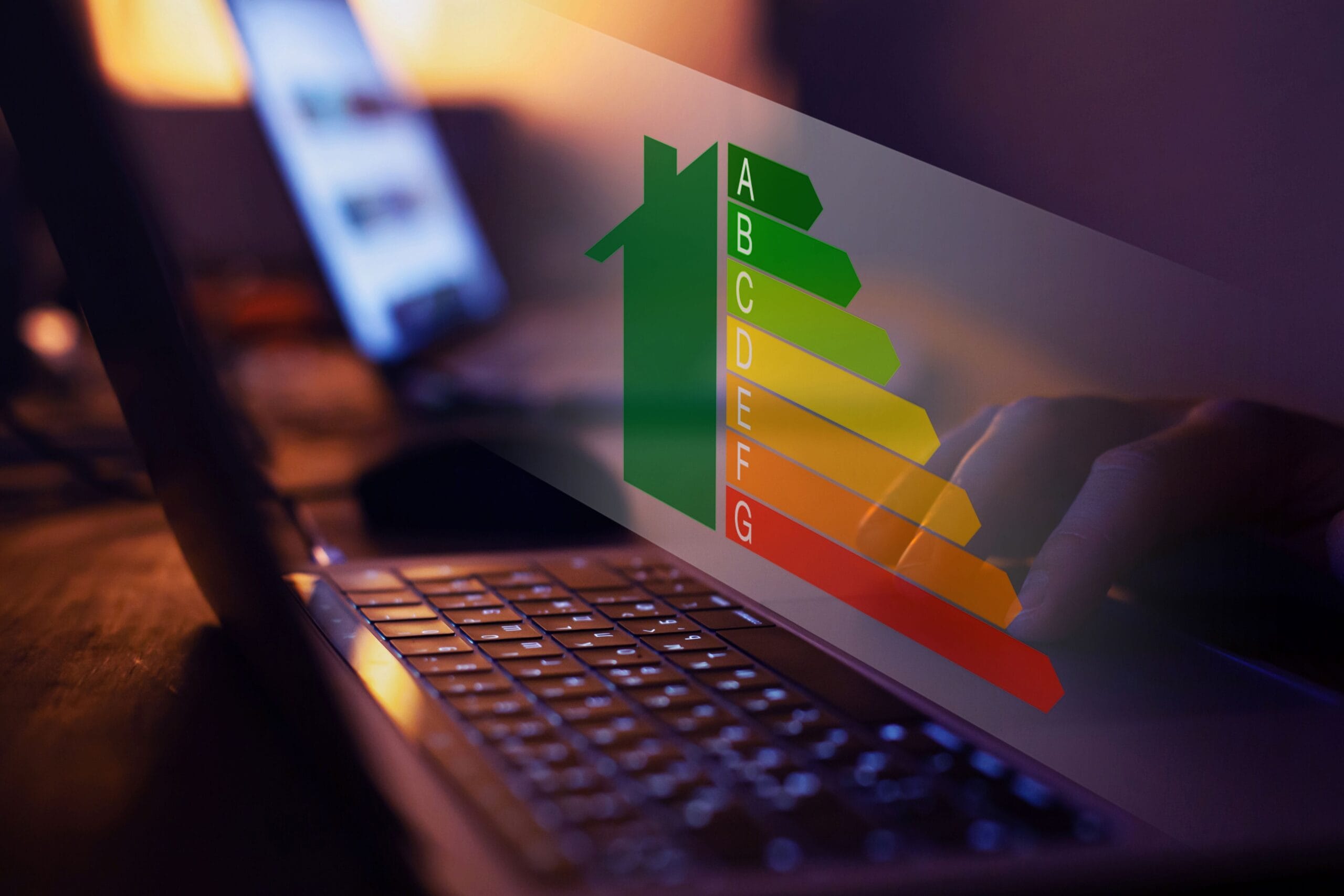
Many older appliances consume far more electricity than modern alternatives, leading to higher running costs. Switching to energy-efficient models can drastically reduce your household consumption while maintaining performance. A-rated appliances on the new efficiency scale (or A+++ on the old scale) use significantly less energy than older counterparts. While the initial investment may be higher, the long-term savings on electricity bills make it worthwhile.
For example, upgrading to a modern fridge freezer can save up to £40 per year in electricity costs. Newer washing machines and dishwashers operate more efficiently, using less water and power per cycle. Additionally, energy-saving ovens and induction hobs heat food more efficiently, reducing cooking times and lowering electricity use. Before purchasing new appliances, check the energy efficiency ratings and consider the long-term cost savings over just the upfront price.
Heating accounts for over 50% of most household energy use, making it the largest contributor to high bills. By making small adjustments to how and when you heat your home, you can reduce energy waste without compromising comfort.
One of the best ways to save is by installing a programmable thermostat. This allows you to regulate heating based on your schedule, preventing unnecessary energy waste. Sealing draughts around doors and windows is another effective strategy, as it keeps warm air inside during the winter and prevents excessive heat in the summer.
Radiators should be kept clear of furniture so heat can circulate properly. Additionally, bleeding radiators regularly ensures they operate efficiently. Having your boiler serviced annually can also help improve its efficiency and reduce heating costs by up to 15%. Making these changes can help keep your home warm in winter and cool in summer without excessive energy use.
Many household devices continue drawing power even when switched off, adding unnecessary costs to your energy bill. This is known as standby energy waste and can account for up to 10% of your electricity usage. To prevent this, consider using a smart power strip that cuts power to multiple devices at once. Unplugging chargers and turning off devices such as TVs, gaming consoles, and computers at the plug can also lead to notable savings.
For example, simply switching off electronics at the wall instead of leaving them on standby can save £25 annually. Many modern appliances also have an eco-mode setting, which reduces their power consumption when not in active use. Being mindful of standby energy waste is a simple but effective way to cut unnecessary costs.
For long-term energy savings, switching to renewable energy can significantly reduce your reliance on traditional energy suppliers. Solar panels are one of the best options available, allowing you to generate your own electricity and reduce your grid energy usage. Depending on the system and location, solar power can save hundreds of pounds per year.
Government incentives and energy buyback schemes make solar energy more accessible and cost-effective. Investing in solar battery storage can also maximise savings by storing excess energy for use when sunlight levels are low. While solar panel installation has an upfront cost, the long-term energy savings and environmental benefits make it an appealing option for homeowners looking to cut bills.
With ongoing market uncertainty, many people are wondering whether energy bills will drop in the near future. While price caps and government interventions may help stabilise costs, the best way to take control of your energy expenses is through proactive savings strategies.
By switching to energy-efficient appliances, optimising heating, reducing standby power waste, and exploring renewable energy options, you can protect yourself against rising costs while reducing your carbon footprint.
If you’re ready to invest in appliances that lower your energy bills, check out our latest post:


