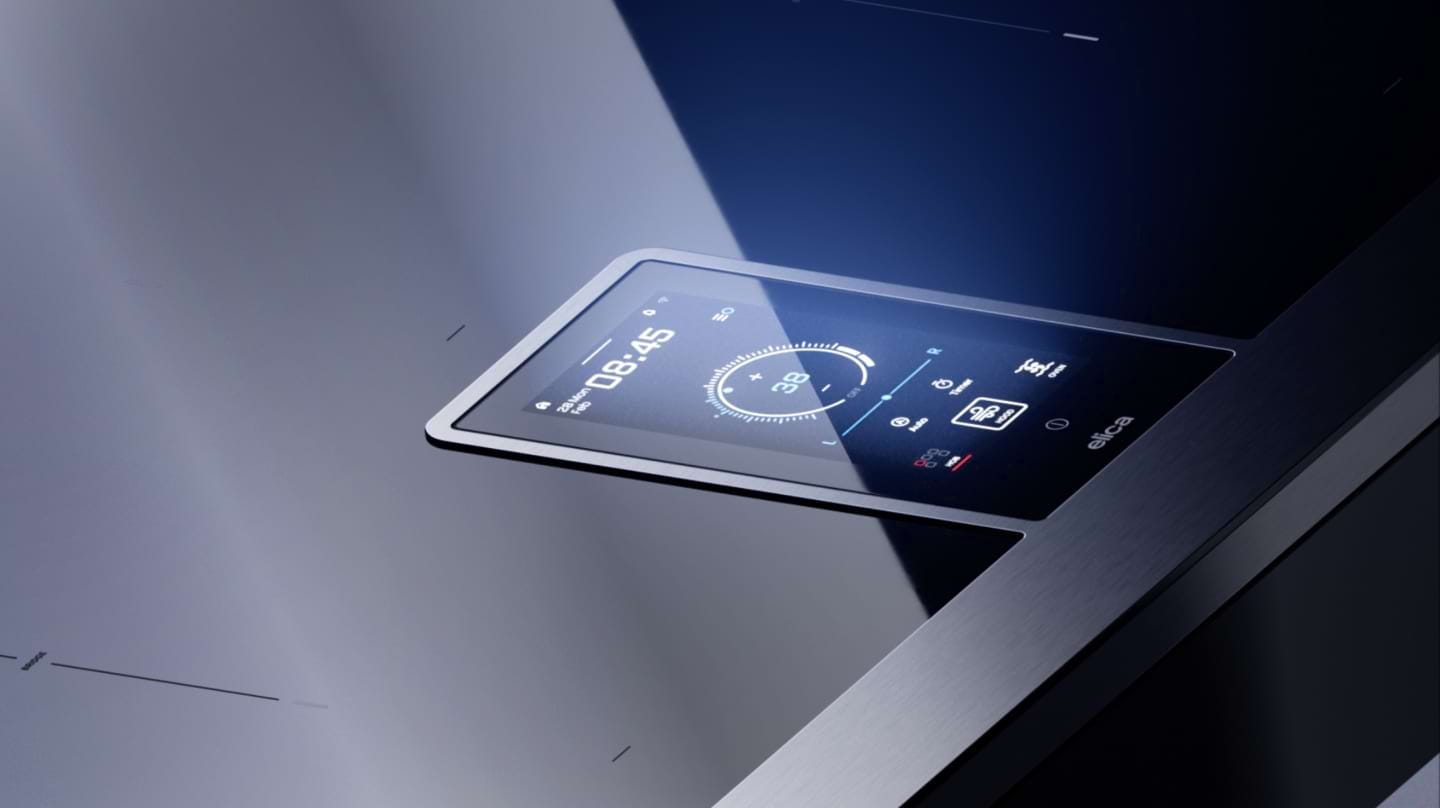
The modern kitchen has evolved from a simple cooking space into a high-tech hub that blends convenience, efficiency, and automation. With the rapid advancements in smart home technology, appliances are no longer standalone units but part of a connected ecosystem that simplifies everyday life.
In 2025, smart kitchen appliances have become more intuitive than ever. Ovens now recognise the food inside them and adjust settings automatically. Fridges can track expiration dates and suggest recipes based on available ingredients. Dishwashers detect how dirty the dishes are and optimise water usage accordingly. Whether controlled by voice commands, smartphone apps, or AI-driven automation, these innovations are revolutionising how we cook, clean, and manage our kitchens.
For decades, kitchen appliances functioned independently, with only minor improvements in efficiency and energy use. However, the rise of connected living has transformed the way homeowners interact with their kitchens. Today’s smart appliances are designed to communicate with each other, offering a seamless experience that enhances both convenience and sustainability.
WiFi connectivity is one of the biggest advancements, allowing homeowners to control appliances remotely. Imagine preheating your oven on the way home, checking your fridge’s inventory while at the supermarket, or scheduling your dishwasher to run during off-peak energy hours. These are not futuristic concepts but everyday possibilities with modern smart kitchens.
The integration of artificial intelligence (AI) into kitchen appliances has taken automation to the next level. Ovens, refrigerators, and washing machines are now capable of learning user preferences and optimising performance accordingly. AI-powered features ensure greater precision, reducing waste and making kitchen management more efficient.
For example, the Miele H2465BP Built-In Single Oven uses smart technology to ensure precise cooking, automatically adjusting temperature and cooking time based on the dish inside. Similarly, AI-powered refrigerators like the Miele FNS7710E Built-In Freezer help reduce food waste by monitoring expiry dates and optimising cooling settings.
Voice control has become a game-changer in the smart kitchen revolution. With integration into voice assistants like Amazon Alexa, Google Assistant, and Apple HomeKit, controlling appliances has never been easier. Instead of manually adjusting settings, users can simply say:
Some smart appliances also feature gesture control, allowing users to adjust settings with a simple wave of the hand. This technology is particularly useful in maintaining kitchen hygiene, as it eliminates the need to touch buttons or screens while cooking.
One of the most significant benefits of smart kitchen technology is its impact on energy efficiency and sustainability. Modern appliances are designed to optimise resource usage, reducing both energy consumption and household expenses.
For example, washing machines equipped with load sensors adjust water levels based on the size of the load, ensuring minimal waste. Smart ovens use AI to reduce preheating times, while dishwashers detect the level of dirt on dishes and adapt the cleaning cycle accordingly. These innovations not only make kitchen tasks more efficient but also contribute to a more sustainable home.
The AEG BSK999330T SteamPro Single Oven takes efficiency a step further by incorporating steam cooking, which requires less energy than traditional baking methods while preserving food quality.
With so many advancements in kitchen technology, choosing the right appliances can be overwhelming. Here are some of the top smart appliances leading the way in 2025:
Miele has taken smart kitchen connectivity to the next level with its @Home system, allowing users to control multiple appliances from a single app. The Miele WTR860WPM Freestanding Washer Dryer features auto-dosing technology that ensures optimal detergent use, while the Miele FNS7710E Built-In Freezer uses smart cooling to keep food fresh while reducing energy consumption.
Cooking is made effortless with the AEG IKE85651FB Induction Hob, which features Hob2Hood technology. This smart function automatically adjusts the extractor fan based on cooking intensity, ensuring optimal ventilation without the need for manual control.
Fisher & Paykel’s SmartHQ™ platform allows users to monitor and control appliances from anywhere. The Fisher & Paykel OS60SDLX1 Steam Combi Oven offers smart steam cooking for healthier meals, while the Fisher & Paykel DD60D2HNB9 Double DishDrawer features independent compartments for enhanced flexibility and efficiency.
Looking ahead, smart kitchen technology will continue to evolve, with new innovations enhancing convenience and sustainability even further. Some of the expected advancements include:
AI-driven meal planning: Smart fridges will not only track food inventory but also suggest meal plans based on dietary preferences and expiration dates.
Fully automated cooking: Robotic kitchen assistants capable of preparing complete meals with minimal human input.
Smart waste management: AI-powered composting systems that separate recyclables and organic waste automatically.
The kitchen of the future is here, and upgrading to smart appliances can make life easier, more efficient, and more sustainable. Whether it’s a WiFi-enabled oven, a voice-controlled dishwasher, or an AI-powered fridge, smart technology is redefining how we interact with our kitchens.
Explore the latest smart appliances from KDHElectrical.co.uk and experience the future of effortless kitchen living today.


